
Commercial Insurance in Texas That Fits Your Business

Why Businesses Choose Tully for Commercial Insurance
Business owners want clarity, options, and a local team they can reach when things change. Working with an independent agency means you're not locked into one provider—you can compare multiple carriers and choose what fits your operation best. Recognized multiple years as Best of Hopkins County, Tully Insurance Agency is the team local businesses keep coming back to. With decades of experience supporting companies across Hopkins County and strong local partnerships that extend to community organizations, volunteer fire departments, and businesses of every kind, you're working with a team that's embedded in the region it serves.
Core Commercial Coverages Explained Clearly




Business Types We Commonly Help
Different industries face different risks, and coverage should reflect that reality. Tully Insurance Agency regularly supports:
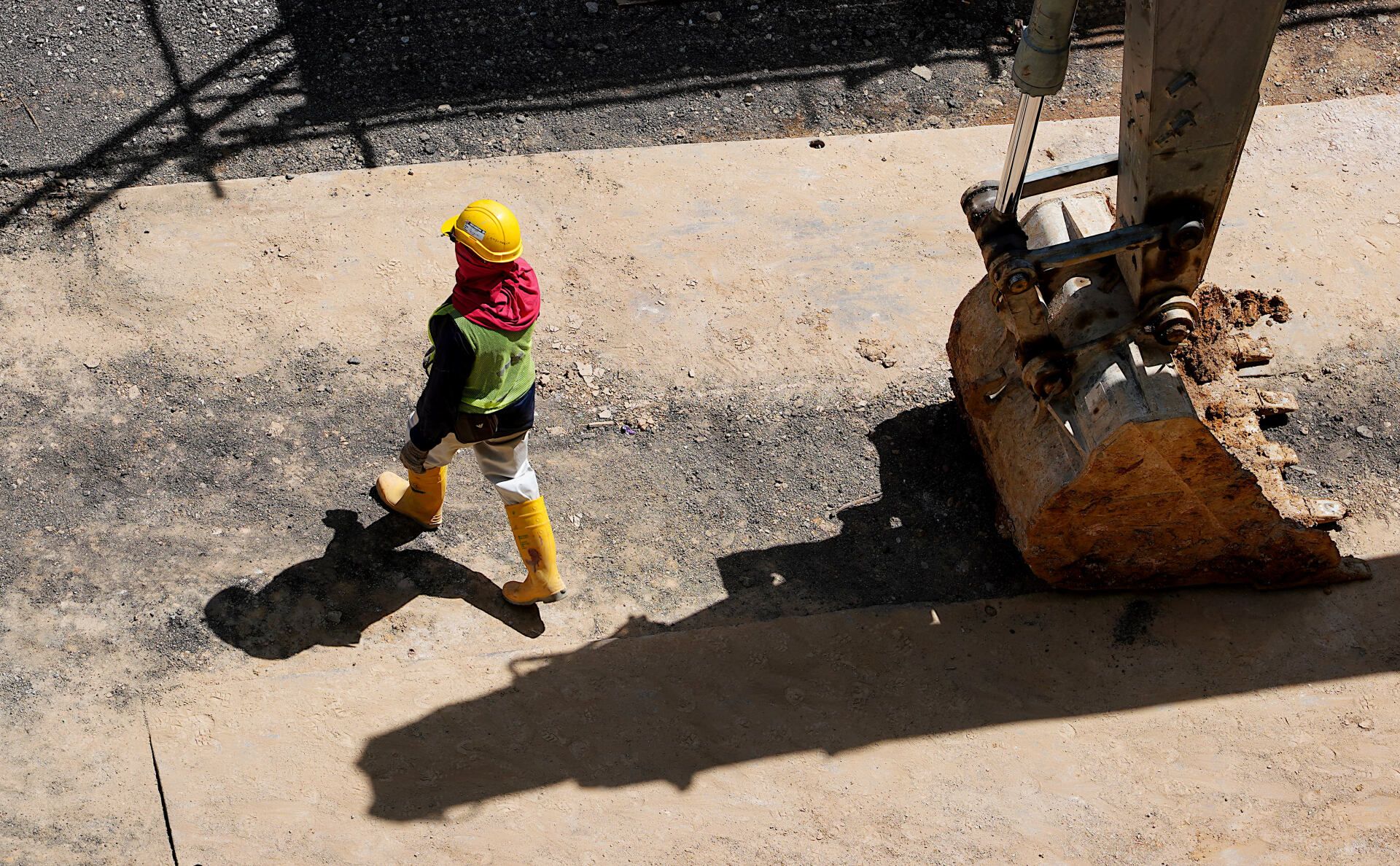
- Contractors and skilled trades managing tools, crews, and job sites
- Trucking and commercial vehicle operations needing layered coverage
- Restaurants balancing liability, property, and employee risks
- Service businesses with equipment, vehicles, and client exposure
Many of these businesses combine policies like contractors insurance, commercial auto insurance, and general liability insurance to create a more complete protection plan.
Documents We Often Need to Start a Quote
Getting a commercial insurance quote is faster when a few key details are ready. Most businesses can expect to provide:
- Business information (operations, years in business, ownership details)
- Locations and property details
- Payroll estimates (for workers' compensation)
- Vehicle and driver information (for commercial auto)
- Current coverage details (if available)
Having this information upfront helps create more accurate options and reduces delays.
How the Process Works—Step by Step
Getting commercial insurance doesn't have to feel complicated. The process is designed to be straightforward and manageable.
- Initial Conversation — Share basic details about your business, operations, and goals.
- Coverage Review — Identify risks and determine which coverages apply to your situation.
- Carrier Comparison — Review options from multiple insurance companies in one place.
- Policy Selection — Choose the coverage structure that fits your business and budget.
- Ongoing Support — Adjust your policies as your business grows or changes.
Common Questions About Commercial Insurance in Texas